A first meal in South Korea is easier when you recognize a few dishes and know what to check before ordering. You do not need to memorize a long food list. Start with the kind of meal you want, confirm the ingredients and portion, and ask how the restaurant handles ordering.
This introduction covers a small set of useful menu names and the practical choices around them. Recipes and restaurant routines vary, so the description is a starting point rather than a promise about every version you will encounter.
Start with four useful dish names
Bibimbap (비빔밥) is rice served with toppings such as vegetables and meat, mixed together with seasoning. Bulgogi (불고기) commonly features thinly sliced marinated meat. Both appear in the Korea Tourism Organization’s introduction to signature Korean dishes. For either dish, check the specific ingredients and whether the menu describes an individual meal or a shared order.
Gimbap (김밥) is a sliced roll of rice and fillings wrapped in seaweed. Tteokbokki (떡볶이) features rice cakes, commonly cooked with a spicy gochujang-based seasoning, although other versions exist. They are among the everyday foods covered by VISITKOREA’s bunsik and street-food guide. Read the filling or sauce description rather than choosing only by the dish’s familiar name.
For a simple starting plan, choose one rice-based meal, one food-stall visit, and one meal built around a dish you already know you enjoy. That gives you different settings without turning every meal into an experiment. Keep a note of the Korean names you liked so you can recognize them again.
Understand the small dishes on the table
Some Korean meals arrive with several small side dishes, often called banchan. VISITKOREA’s overview of Korean food culture describes rice, soup, side dishes, and stew as parts of a traditional meal setting. The exact combination depends on the restaurant and your order.
Wait to see what arrives before ordering extra food. If you want another helping of something, ask whether it is included and how to request it. Take modest amounts at a self-service counter and return if you want more. The presence of several little plates does not tell you everything about the ingredients inside them.
Check how ordering works
Look for a menu, a table screen, a kiosk near the entrance, or a staff member who can help. The tourism organization’s restaurant guide notes that self-service water and side dishes and automated ordering systems are used at some restaurants. Some tables also have a call button or a drawer for utensils. Look around your own table before assuming something is missing.
Before paying or confirming a screen order, check four things: the dish, the quantity, the portion description, and any additions you selected. A photograph can help identify what looks appealing, but it cannot confirm the full ingredient list. If a translation leaves something unclear, show the item to a member of staff.
Choose spice and ingredients deliberately
Do not assume all Korean dishes are spicy, or that a familiar dish is always mild. Ask about the specific sauce and whether it can be served separately. If a recipe cannot be adjusted, choosing another dish is often simpler than trying to rebuild the original order.
Vegetable toppings do not necessarily mean a dish is vegetarian. VISITKOREA’s vegetarian guidance explains that meat or fish broth and seafood seasonings can appear in Korean cooking, including some kimchi. Explain the ingredients you avoid, rather than relying only on a broad diet label. Ask staff to confirm what is used in that kitchen.
Use a few words and a clear question
Pointing to the menu and saying “이거 주세요” (igeo juseyo, “this one, please”) is a simple way to indicate your choice. “감사합니다” (gamsahamnida) means “thank you.” Save the Korean text on your phone if pronunciation feels difficult. A clear gesture, the written dish name, and a quantity can be more useful than a long sentence.
Take a moment to establish where payment happens and whether you should clear a tray. Follow the restaurant’s posted instructions or ask. VISITKOREA notes that tipping is generally not expected in Korea; there is no need to invent a tipping routine for an ordinary meal.
Make food fit your day
Save a preferred option and a nearby backup around each sightseeing area. This keeps a closed restaurant or long queue from taking over the afternoon. For a food stop that fits a broader route, see our three-day Seoul itinerary. If you are still choosing destinations, start with the South Korea trip-planning guide.
Sources checked September 8, 2026. This research-based introduction explains common dishes and practices; it does not review or claim firsthand testing of individual restaurants.
Keep exploring
Where to next?
Plan a K-pop Day in Seoul: HiKR Ground, Shopping, and Ticket Checks
Build a K-pop day around HiKR Ground and public visitor experiences, with useful checks for official shops, performance tickets, and your route.
Read guide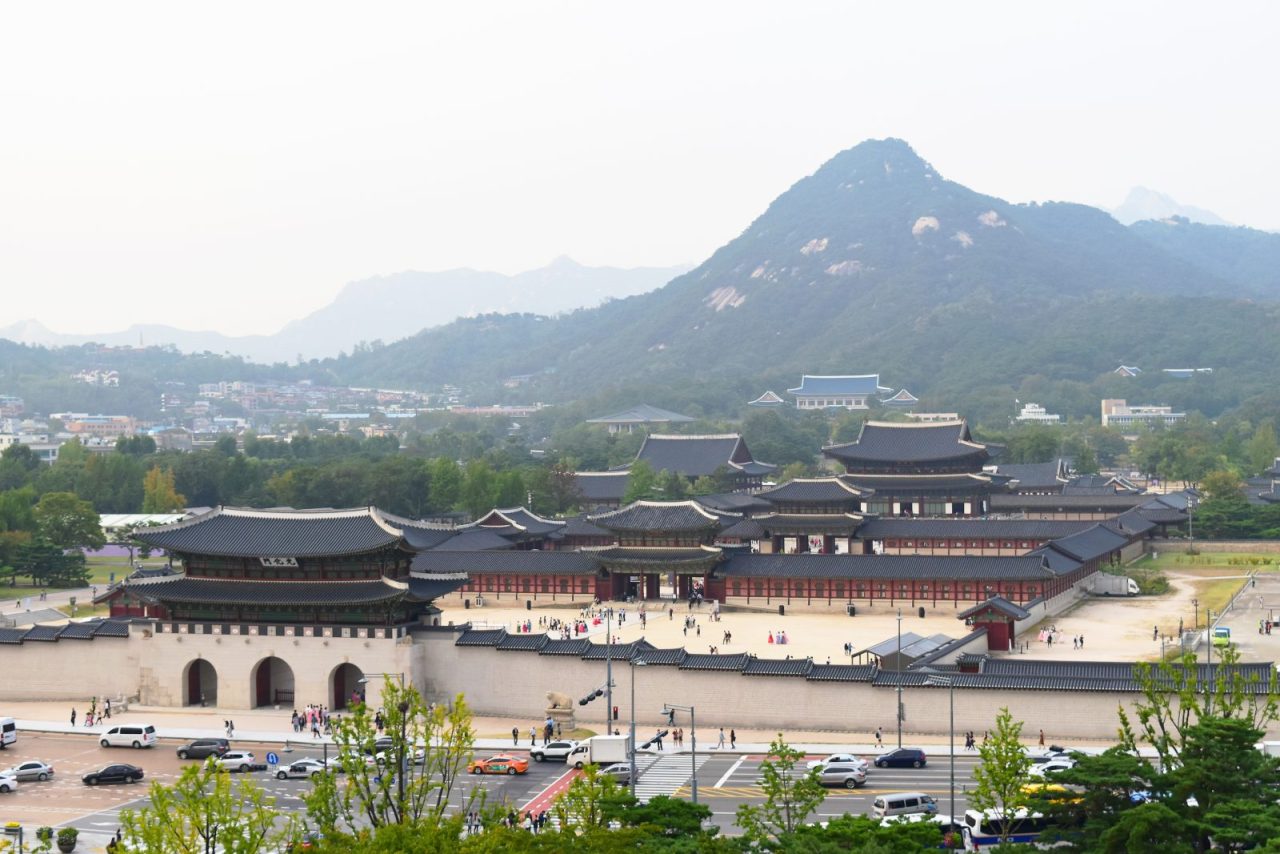

Visiting Korea’s Palaces, Hanok Neighborhoods, and Museums with Care
Get more from Korean cultural sites with practical tips for palace visits, residential hanok lanes, museum galleries, photos, and a comfortable pace.
Read guide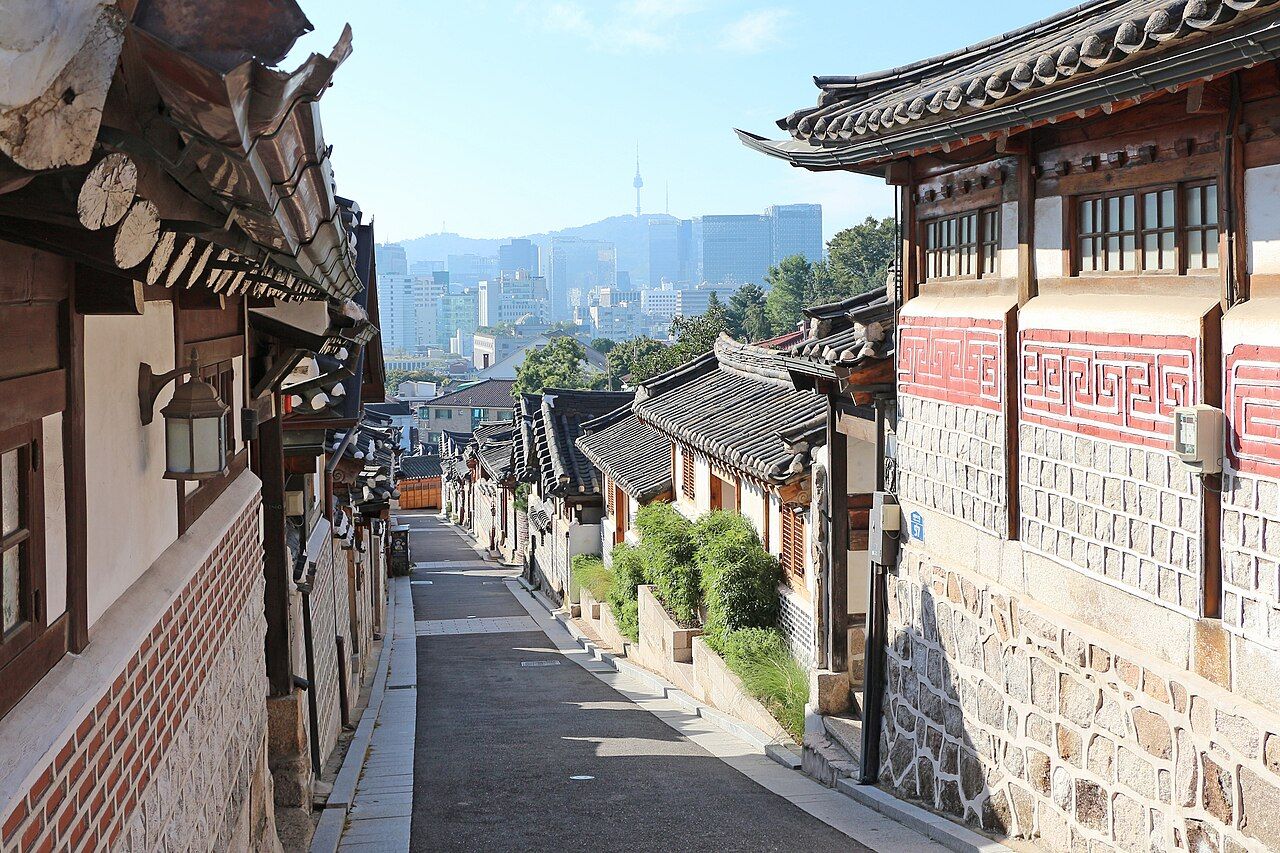

Seoul in 3 Days: A Flexible Itinerary for First-Time Visitors
A three-day Seoul itinerary combining palaces, neighborhood walks, Gwangjang Market, Hongdae, and the Han River, with room to adjust your pace.
Read guide