A palace, a hanok neighborhood, and a museum offer different ways to understand Korea. They also call for different kinds of attention. At a palace, read the spaces around you. In a residential lane, make room for daily life. In a museum, slow down enough to connect an object with its story.
You do not need a long etiquette checklist to begin. Make a few practical decisions before arriving, then follow the signs and staff guidance at each place.
At a palace, choose a question to follow
Before walking through the first gate, look at the site map and choose one question: What was this building used for? How did people move between formal and everyday spaces? Which part of the complex has been restored? Read the entrance panel, then carry that question through your visit. It gives the buildings more meaning than a sequence of photographs alone.
Use the Royal Palaces and Tombs Center for Gyeongbokgung’s current visitor information. Check any tour or special-area arrangements separately. An admission ticket should not be treated as permission to cross a rope, climb a structure, or enter a closed building.
Keep your bag close when passing narrow spaces and stop somewhere clear of the path to read a map. If you rent hanbok, try walking and using steps before leaving the shop, check the return arrangements, and choose footwear that suits the rest of your day.
In Bukchon, identify what is open to visitors
Hanok are traditional Korean houses, and Bukchon includes both visitor-facing businesses and people’s homes. VISITKOREA’s Bukchon guide explains that some houses serve as cultural spaces, guesthouses, restaurants, and tea houses. A beautiful doorway by itself does not identify a public attraction.
Pick a clearly identified cultural venue or business as your destination. Before adding nearby lanes, read Seoul’s official visitor-access notice: the designated red zone has restricted tourist visiting hours, and the notice includes Sunday rest-day guidance. Use the current map and signs to understand the area you are entering.
Keep conversations low, avoid looking into windows, and let residents pass without waiting for your photo. If you want to photograph a shop interior or a person, ask first. Move away from an entrance to check the image rather than taking several attempts while others wait.
In a museum, select a small route
At the National Museum of Korea, choose two or three galleries from the permanent exhibition guide. History, painting, ceramics, and sculpture reward different kinds of attention. Selecting a theme gives you time to compare objects and read labels instead of trying to complete the building.
Before entering, silence your phone and check what to store. The museum’s visitor tips prohibit touching exhibits and photography using flash, tripods, selfie sticks, or gimbals. Follow gallery-specific photo notices as well. Keep refreshments for the appropriate facilities and use headphones quietly if you listen to a guide.
When something catches your attention, read its name, date, material, and purpose. Notice one detail, then compare it with the next object. If photography is allowed, take a photograph of the label too so you can remember what interested you later.
Build a day with room to notice things
For an outdoor-focused day, choose one palace and one public cultural stop in a hanok neighborhood, with a meal between them. For an indoor-focused day, make a museum the main visit and leave a short walk optional. These are planning suggestions; check the actual routes and current access before setting your day.
Rest before you feel rushed. A shorter visit with time to read and observe can leave you with more to remember. Our three-day Seoul itinerary shows how cultural stops can fit into a broader trip, while the Korean food introduction helps with the next meal.
Sources checked September 8, 2026. This research-based guide offers practical visiting suggestions; it does not claim personal site visits or professional guiding credentials.
Keep exploring
Where to next?
Plan a K-pop Day in Seoul: HiKR Ground, Shopping, and Ticket Checks
Build a K-pop day around HiKR Ground and public visitor experiences, with useful checks for official shops, performance tickets, and your route.
Read guide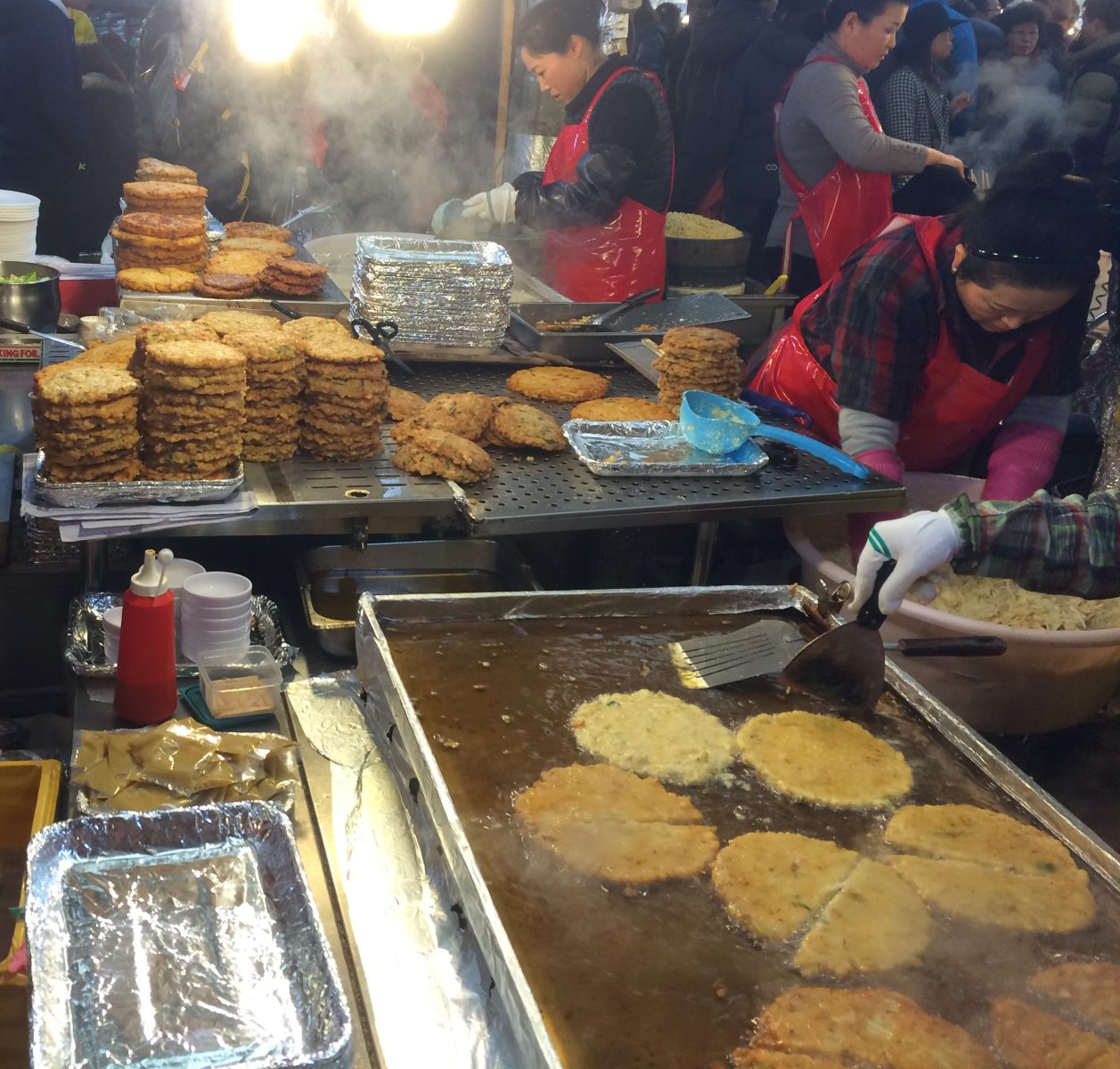

Korean Food for Beginners: What to Order and What to Expect
Understand bibimbap, bulgogi, gimbap, and tteokbokki, then learn practical ordering tips for your first meals in South Korea.
Read guide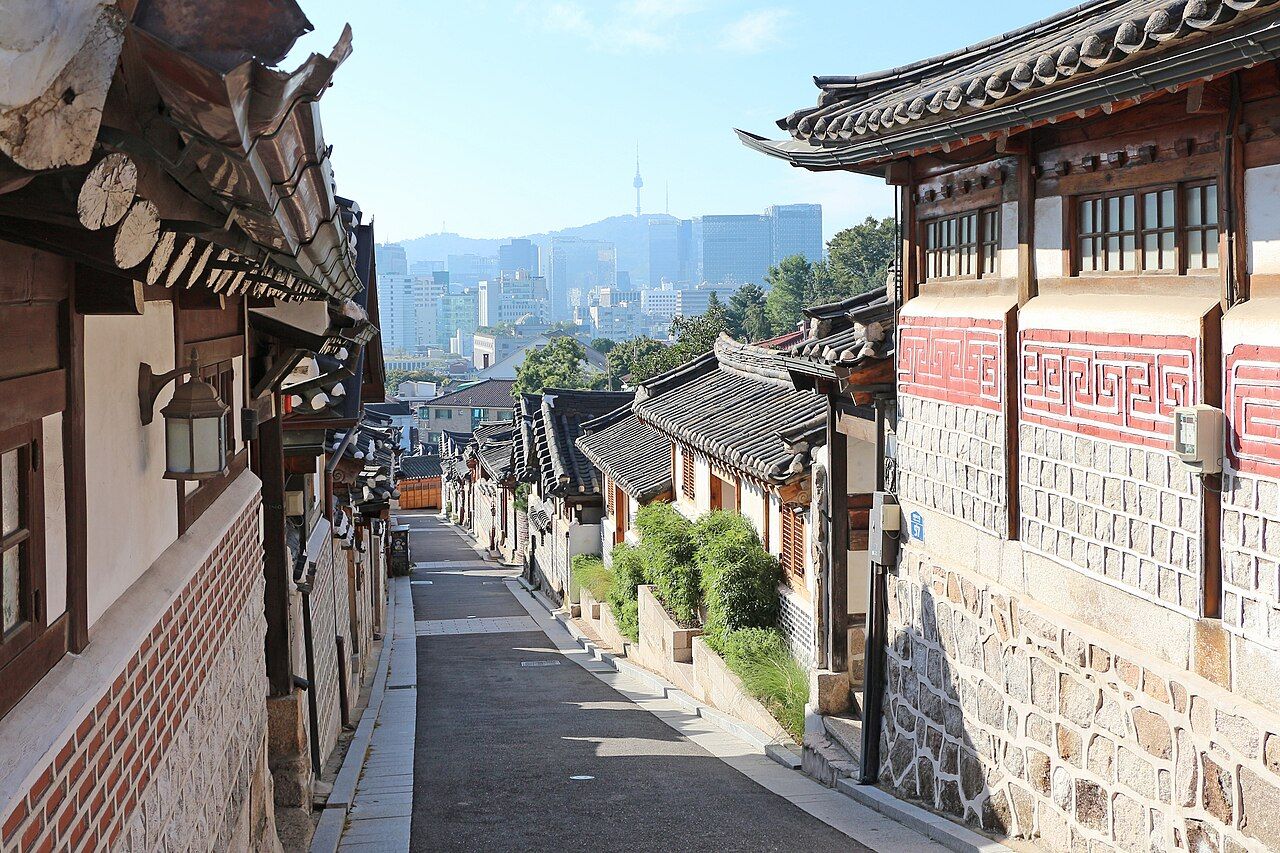

Seoul in 3 Days: A Flexible Itinerary for First-Time Visitors
A three-day Seoul itinerary combining palaces, neighborhood walks, Gwangjang Market, Hongdae, and the Han River, with room to adjust your pace.
Read guide