For three full days in Seoul, give each day a distinct focus: the historic center, a market and downtown walk, then Hongdae and the Han River. You will have a useful introduction to the city without needing to schedule every hour.
This suggested route works best as a set of building blocks. Change the order around your accommodation, weather, and attraction availability. It is intended for three sightseeing days; keep airport transfers outside the plan wherever possible.
Before you start
Save the Korean and English names of each stop in your map app, then check the route from your hotel. Treat the suggested morning and afternoon blocks as flexible. Opening arrangements, reservation requirements, and access rules should come from each operator’s current information.
Choose one main attraction per day and one optional extra. If you are traveling with children, need step-free routes, or prefer longer museum visits, remove an optional stop before adding transport to make everything fit.
Day 1: A palace and the historic center
Begin with Gyeongbokgung Palace as your main visit. Before setting the date, use the Royal Palaces and Tombs Center’s admission information to check the arrangements for your visit. Leave enough room to look closely at the courtyards and buildings rather than making the palace a quick photo stop.
After lunch, choose Insa-dong for browsing and a tea or coffee break. The Korea Tourism Organization includes Insa-dong and nearby traditional neighborhoods in its traditional Seoul travel course. Use that official route for ideas, but do not feel obliged to complete every stop.
If traditional houses are a priority, consider a permitted visitor route in Bukchon as your optional extra. Bukchon Hanok Village is a residential neighborhood, and its designated red zone has restricted tourist visiting hours. Check Seoul’s official Bukchon access notice, including the Sunday rest-day guidance, before choosing your visit. Follow current signs, keep voices low, and stay outside private entrances. A photograph is never a reason to block a resident’s doorway.
End the day with dinner close to your hotel or in the area you have already reached. Leave a second palace for another visit unless palace architecture is the main purpose of your trip.
Day 2: A market and a downtown walk
Make Gwangjang Market the day’s food stop. It is included in the tourism organization’s traditional Seoul route. Browse the food choices before ordering, read the displayed menu, and confirm the portion and total. Start with one dish so you have space to try something else if it appeals.
Our Korean food guide for beginners explains several dishes and restaurant basics. Save a few names in advance; recognizing a dish can make ordering easier even when the stall has photographs or translated labels.
Pair the market visit with a manageable section of Cheonggyecheon, rather than attempting the whole stream. Visit Seoul describes it as a restored stream through downtown and notes that rain can restrict access. Choose an entry and exit near the rest of your route, follow closures, and move this walk to another day if conditions require it.
Leave the remaining time for a neighborhood that interests you, or return somewhere you passed too quickly on day one. An unfilled afternoon is useful when you discover a shop, exhibition, or cafe you want to enjoy longer.
Day 3: Hongdae and a riverside finish
Start with a leisurely visit to Hongdae. Visit Seoul’s Hongdae area guide introduces its university neighborhood atmosphere and provides current places to explore. Pick a small cluster of shops or cafes, then browse within that area instead of pursuing scattered recommendations across the city.
For a music-focused trip, make a verified public shop, exhibition, or ticketed venue your anchor. Confirm its current listing and entry arrangements directly. Leave room for the neighborhood itself rather than treating a possible celebrity sighting as an itinerary item.
If the weather is suitable, finish at a Hangang park. The official Hangang River guide describes parks along both banks, so select one park and route to that specific destination. A relaxed walk is enough; you do not need to add a cruise, rental, or scheduled show to make the visit worthwhile.
A useful indoor swap
Replace an outdoor block with the National Museum of Korea if its collections match your interests. Its permanent exhibitions cover subjects including Korean history, painting, sculpture, and crafts. Choose a few galleries, confirm current visitor information, and give yourself time to read the displays.
For help fitting these days into a longer route, read our first-trip planning guide.
Sources checked September 8, 2026. This is Korea Loop’s suggested itinerary, assembled from official destination information; it is not an official tour or a report of a personal visit.
Keep exploring
Where to next?
Plan a K-pop Day in Seoul: HiKR Ground, Shopping, and Ticket Checks
Build a K-pop day around HiKR Ground and public visitor experiences, with useful checks for official shops, performance tickets, and your route.
Read guide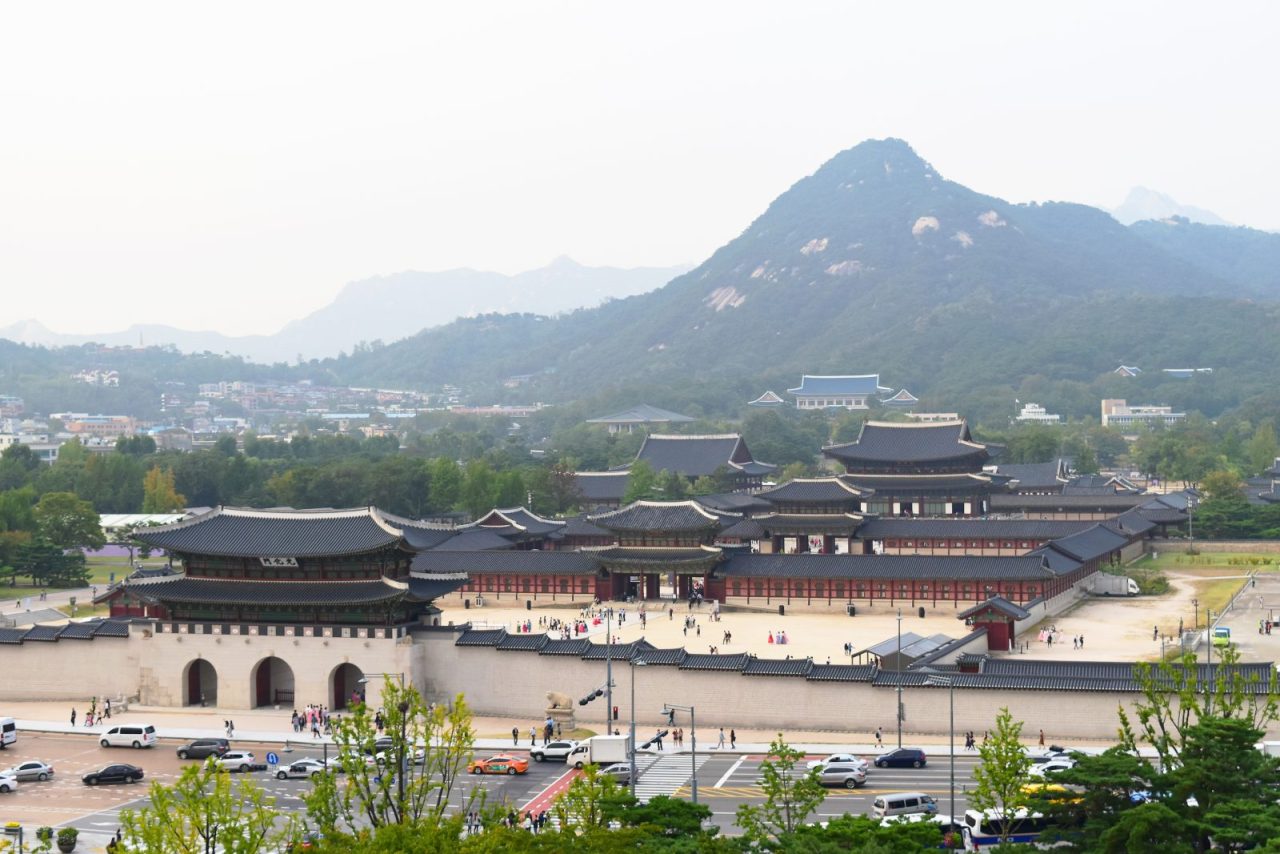

Visiting Korea’s Palaces, Hanok Neighborhoods, and Museums with Care
Get more from Korean cultural sites with practical tips for palace visits, residential hanok lanes, museum galleries, photos, and a comfortable pace.
Read guide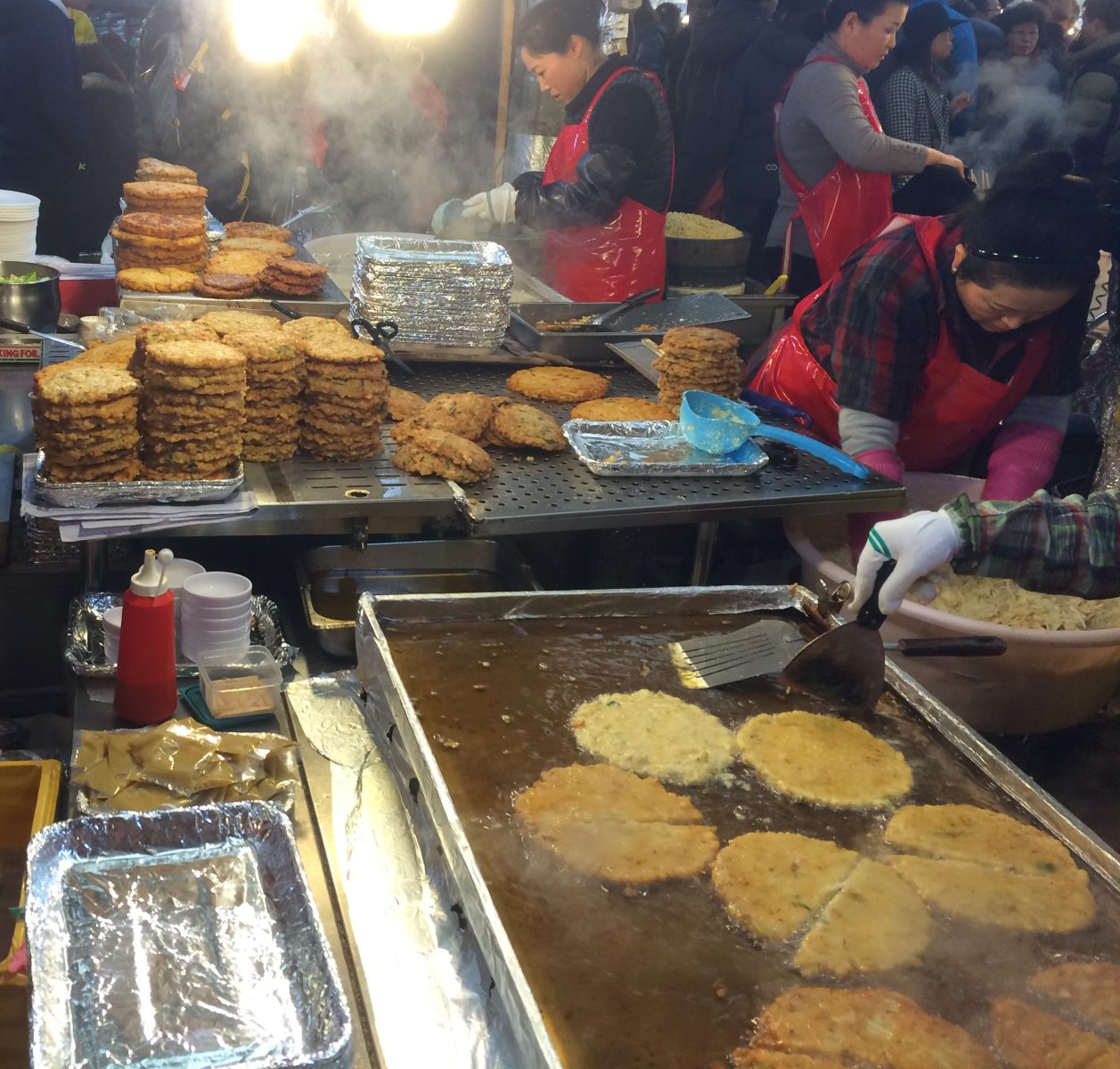

Korean Food for Beginners: What to Order and What to Expect
Understand bibimbap, bulgogi, gimbap, and tteokbokki, then learn practical ordering tips for your first meals in South Korea.
Read guide