Start planning a first trip to South Korea with three decisions: how many full days you have, which places matter most to you, and how often you want to change hotels. Those choices give your itinerary a shape. Attractions, meals, and shopping can then fit around it.
This guide is a planning framework for independent visitors. Work through it in order, keeping a short list of decisions rather than trying to settle every detail at once.
1. Count usable days, not calendar dates
A week between flights does not necessarily give you seven days of sightseeing. Put arrival and departure times into your calendar first. Add the time needed to reach your accommodation and return to the airport. Treat the arrival day as a gentle introduction: check in, find a meal, and learn the route back to your hotel.
Next, give each remaining full day one main purpose. That might be palace architecture, a food-focused neighborhood walk, or time by the coast. If two activities are equally important and far apart, put them on different days.
2. Choose a route you can explain in one sentence
“A Seoul stay with one day trip” is a workable starting point. So is “Seoul, then a second city, with several nights in each.” For a short visit, consider whether another hotel change adds enough to justify packing, checking out, traveling, and checking in again.
List your three strongest interests before choosing destinations. A traveler focused on museums and palaces may build a different route from someone who wants beach time or a particular music venue. There is no required list of cities for a successful first visit.
3. Let the season change your daily rhythm
Korea’s seasons affect how much outdoor time feels comfortable. The Korea Tourism Organization describes spring and autumn as generally suited to walking, summer as hot and humid with heavy-rain risks, and winter as cold. These are broad patterns, not a forecast for your dates. Check its climate guide and the current forecast before packing.
Build an indoor alternative into each day. A museum, gallery, or longer lunch can take the place of an exposed walk. Avoid making a single outdoor view the only reason for a long transfer, especially when your schedule leaves no opportunity to return.
4. Plan transport from door to door
Compare the entire journey, including travel to the station, waiting, transfers, and the final walk. A faster train is not automatically the easier choice if it leaves you far from your accommodation. Korea’s official transportation guide separates intercity trains, buses, and flights from city transport and transportation cards.
Save your accommodation’s Korean name and address, alongside its English listing. Check the arrival route for your actual terminal and expected arrival time. Keep a second route in mind if a delayed flight changes the services available when you leave the airport.
5. Book the trip’s anchors first
Identify anything that depends on a particular date or reservation: accommodation, a long-distance journey, or an attraction you would be disappointed to miss. Confirm those directly with the relevant provider before arranging the rest of the day around them.
Leave ordinary meals and neighborhood browsing flexible. For each day, save one preferred restaurant and one convenient alternative. A closed kitchen or a long queue should be a small adjustment, not a reason to cross the city again.
6. Make your phone useful before arrival
Decide how you will connect to the internet and verify that your device supports your chosen option. Save essential addresses, booking confirmations, and the route to your first hotel so they are accessible offline. Test your map and translation tools while you still have time to learn the controls.
Keep a compact note with your hotel, travel dates, reservation references, and key contacts. Avoid putting sensitive passport or payment information into an unsecured shared document.
7. Finish with a short departure checklist
- Verify current entry requirements for your nationality and itinerary using official government resources.
- Confirm your accommodation, airport route, and any fixed reservations.
- Check the forecast and pack for the activities you actually planned.
- Save essential addresses and booking details offline.
- Keep your first evening and one part of each sightseeing day flexible.
VISITKOREA’s travel basics hub links to official visitor resources. For the next planning step, use our three-day Seoul itinerary or get comfortable with the menu through our beginner’s Korean food guide.
Sources checked September 8, 2026. This is a research-based planning guide; routes and pacing suggestions are Korea Loop’s editorial recommendations.
Keep exploring
Where to next?
Plan a K-pop Day in Seoul: HiKR Ground, Shopping, and Ticket Checks
Build a K-pop day around HiKR Ground and public visitor experiences, with useful checks for official shops, performance tickets, and your route.
Read guide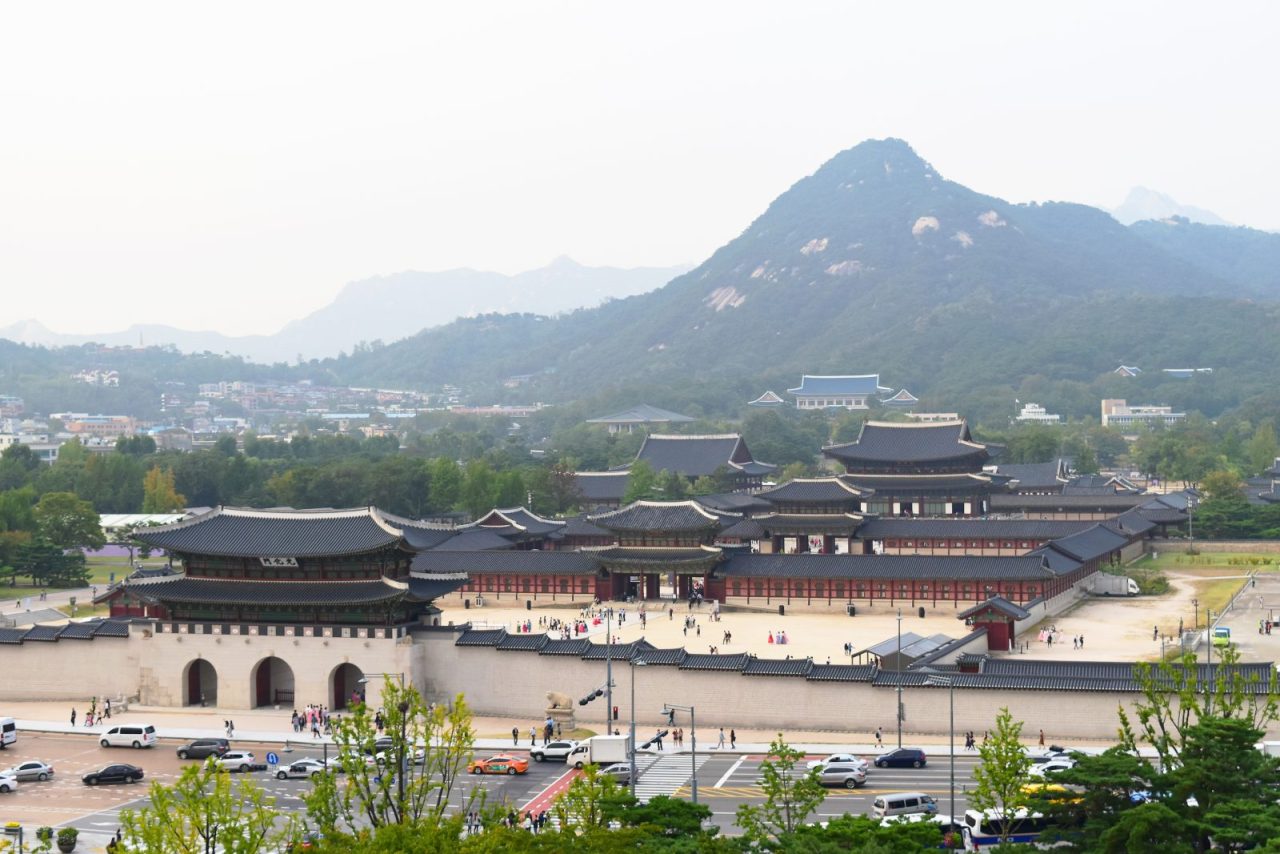

Visiting Korea’s Palaces, Hanok Neighborhoods, and Museums with Care
Get more from Korean cultural sites with practical tips for palace visits, residential hanok lanes, museum galleries, photos, and a comfortable pace.
Read guide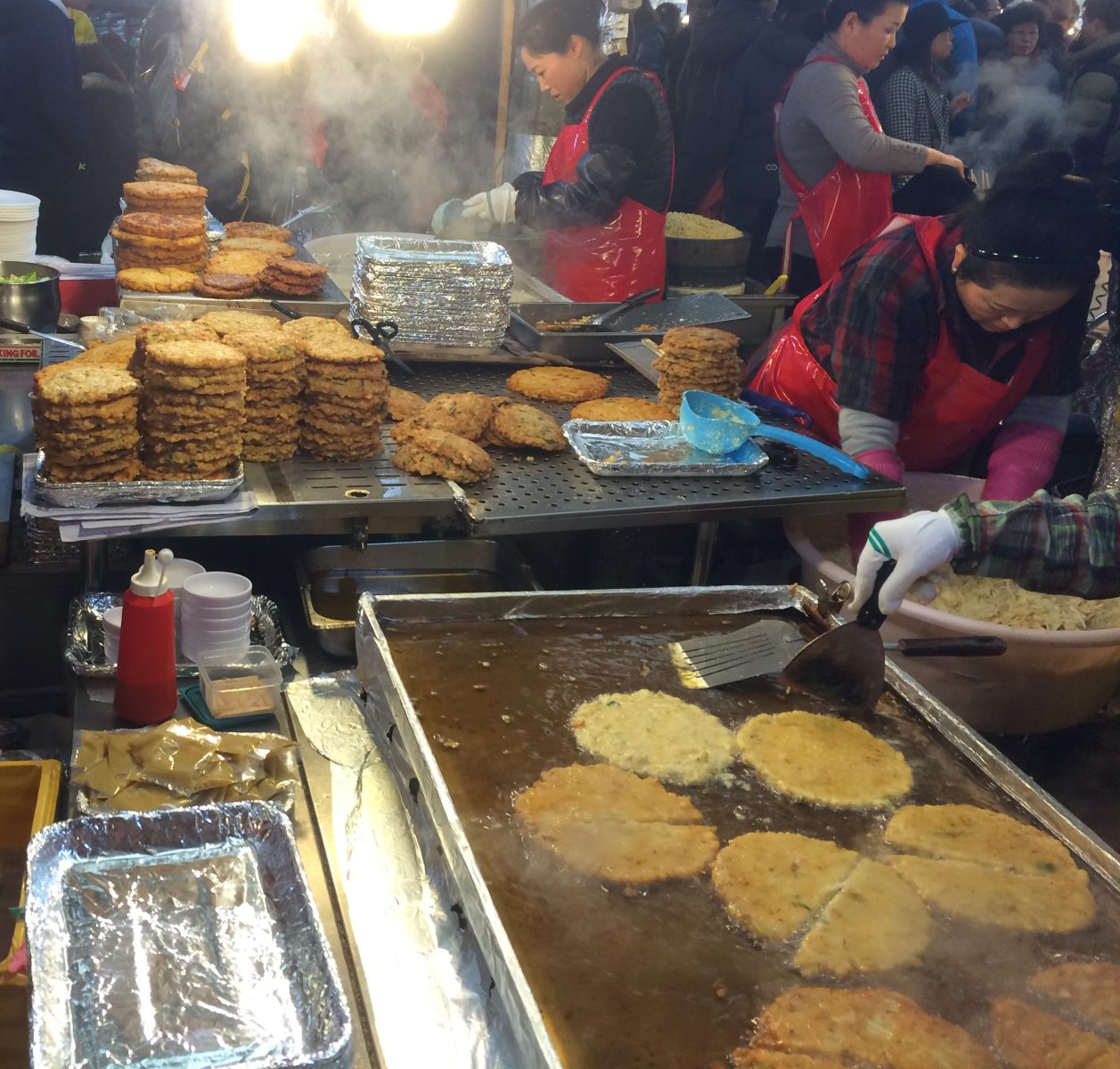

Korean Food for Beginners: What to Order and What to Expect
Understand bibimbap, bulgogi, gimbap, and tteokbokki, then learn practical ordering tips for your first meals in South Korea.
Read guide